فناوری Thunderbolt
اینتل در کنفرانس خبری خود در سانفرانسیسکو، تکنولوژی و پورت جدید Thunderbolt را معرفی کرد. این پروژه قبلا با نام Light Peak شناخته میشد. بنابر گفته اینتل اینترفیس جدید قرار است جای پورتهای HDMI, SATA, FireWire و USB را بگیرد و به تنهایی به جای تمام اینترفیسهای موجود عمل کند.

سرعت بسیار بالای انتقال اطلاعات
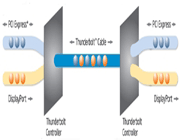
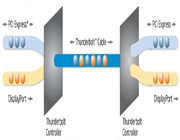
Thunderbolt پروتوکلهای PCI Express - PCIe و DisplayPort را ادغام کرده تا بتواند با بالاتری سرعت میان دستگاههای جانبی و کامژیوتر اطلاعات را مبادله کند. اطلاعات به صورت دو طرفه با سرعت 10 گیگابیت بر ثانیه منتقل میشوند. باین سرعت بدین معناست که تمام اطلاعات یک دیسک بلوری تنها در 30 ثانیه منتقل میشود. Thunderbolt دو برابر سریعتر از USB 3.0 است زیرا ورژن 3 تنها میتواند با سرعت 4.8 گیگابیت بر ثانیه اطلاعات را انتقال دهد.
معمای مس
برای انتقال اطلاعات با این سرعت انتظار میرفت اینتل از فیبر نوری استفاده کند ولی این شرکت به تکنولوژی پیشرفتهای دست پیدا کرده و توانسته با استفاده از مس و سیم مسی چنین اطالاعتی را با این سرعت مبادله کند. استفاده از سیم مسی این امکان را فراهم میکند تا سایر وسایل جانبی انرژی الکریسیته مورد نیاز خود را از این طریق تامین کنند. همچنین اینتل اعلام کرده که از طریق کابل مسی میتواند 10 وات برق را منتقل کند که انتقال چنین توانی از طریق فیبر نوری امکان پذیر نیست.نسخههای آینده
اینتل اعلام کرده است که در طول یک دهه این تکنولوِی پیشرفت چشم گیری خواهد کرد به طوری که انتقال اطلاعات با سرعت 100 گیگابیت بر ثانیه امکان پذیر شود. جالب است بدانید تمامی این کابلها مسی خواهند بود.
تبدیل پورتهای مختلف
Thunderbolt برای انتقال اطلاعات ساخته شده ولی میتواند به صورت های مختلفی در بیاید. برای مثال در مک بوک پروهای 2011 جک آن مانند جک Mini DisplayPort است.
جادویی کوچک
Thunderbolt در ابعاد بسیار کوچکی طراحی شده است و دارای گیرندههای نوری خاصی است که میتواند الکتریسیته را به نور و نور را به الکتریسیته تبدیل کند. این گیرنده دارای دو Vertical Cavity Surface Emitter Laser است. Vertical Cavity Surface Emitter Laser یا به اختصار VCSEL به معنای سطح عمودی فرستنده لیزر حفره دار است. لیزرها 250 میکرون قطر دارند ( حدود 2 تار مو) و نور را در هر کانال فیبرنوری که 125 میکرون قطر دارد انتقال می دهند. ردیاب نور تصویری نیز نور را در انتهای هر کانال دریافت می کند.
یکسان کردن پورتها
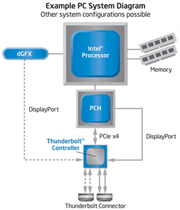
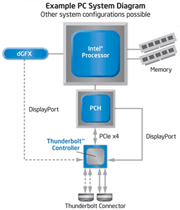
اینتل تراشهای برای تغییر و کنترل پرتوکلها ارائه کرده است. این تراشه میتواند پرتوکلهای متفاوتی مانند DisplayPort و PCI Express را از طریق Thunderbolt منتقل کند. Thunderbolt قادر است کار 7 نوع کابل را انجام دهد.
طول بلند کابل
یکی از مشکلات جدی کابلها مسی افت الکتریسیته در طول کابل است. ولی Thunderbolt بدون هیچ مشکلی میتواند تا 100 متر طول داشته باشد و این رقم برای USB تنها 5.5 متر است.
آینده Thunderbolt
اینتل برای اولین بار ایده Thunderbolt را در سال 2009 با نام Light Peak عرضه کرد. همچنین این شرکت پس از طراحی پردازندههای Sandy Bridge خود، پشتیبانی از USB 3.0 را متوقف کرد. از طرفی استیو جابز نیز اعلام کرد از این پس از USB 3.0 پشتیبانی نخواهد کرد و Thunderbolt را جایگزین آن میکند.
________________________________________
Intel has scheduled a press event in San Francisco today to announce the official release of its Thunderbolt (originally code-named "Light Peak") technology, which was conceived as a new, consumer-friendly way to transfer data at previously unheard-of speeds—and which could single-handedly replace the many protocols PCs use today (such as FireWire, HDMI, SATA, SCSI, and USB).
The Intel event is being timed to coincide with Apple"s announcement, of a Sandy Bridge refresh of its MacBook Pro line of laptops, and word has already filtered out that these laptops will be the first systems equipped with Light Peak—under the name of "Thunderbolt."
All this made it an ideal time to both look back and what we know about Thunderbolt, and look forward to the innovations it may bring computer users in 2011 and beyond. To see a demonstration of Light Peak from IDF 2010, check out the YouTube video at the bottom of this story.
Super-fast data transmission. Thunderbolt combines the capabilities of the PCI Express (PCIe) and DisplayPort protocols, and is capable of bidirectionally transferring data between your computer and peripherals at a rate of 10 Gbps—fast enough to transfer a full-length Blu-ray movie in under 30 seconds, and more than twice the peak theoretical speed of USB 3.0 (4.8 Gbps).
Copper conundrum. Though Intel originally positioned Light Peak as an optical technology, PCMag reported last month that its first iteration would use copper wiring, but still hit the target 10-Gbps speeds. In addition to being cheaper and more familiar technology, this would also let Light Peak provide power to devices—something optical cabling alone can"t do. Apple boasts that the Thunderbolt port can carry 10 watts of power to peripherals, so this would seem to have come to pass. How upcoming versions of Thunderbolt deal with this problem remains to be seen.
The future will be faster. Intel has claimed that, within the next decade, it should be possible for Thunderbolt technology to eventually scale up to a speed of 100 Gbps. (It"s unlikely that this speed could be achieved without optical cabling, however.)
Re-porting for duty. Though Thunderbolt is designed to work with other data transmission protocols (see below), ports will have to be specially designed to take full advantage of its speed capabilities. The Thunderbolt port on the new MacBooks is identical to a Mini DisplayPort jack, so any Mini DisplayPort cable—or adapter—should work in it.
The magic of miniaturization. Thunderbolt has been made possible by Intel"s miniaturizing the necessary optical transceiver, which converts electricity to light and vice versa, to about the dimensions of a dime.
Inside the tech. This transceiver contains two tiny Vertical Cavity Surface Emitting Lasers (VCSELs) lasers and photo detectors. The lasers are 250 microns wide—or the width of two human hairs—and transmit light over each channel using fiber-optic cable 125 microns wide. The photo detectors receive the light from the other end of the channels.
No breach of protocol. An Intel-provided controller chip provides protocol-switching capabilities so that multiple protocols (such as DisplayPort and PCI Express) may be run over a single Thunderbolt cable. As many as seven devices may be daisy chained together via Thunderbolt cabling.
Longer cables. It"s something of a moot point now given the use of copper, but Thunderbolt as fully envisioned could use cables much longer than what we see today—light does not degrade over long distances the way electricity does. Completely optical Thunderbolt cables could measure up to about 100 meters, or 328 feet, in length. For comparison, USB cables are limited to maximum lengths of five meters (about 16.5 feet).
A long time coming. Intel first introduced Thunderbolt as Light Peak at the Intel Developer Forum in September 2009. Intel"s lack of support for USB 3.0 on its new second-generation Core ("Sandy Bridge") processing platform and Steve Jobs" declaration last year that Apple didn"t "see USB 3 taking off at this time" have only splashed accelerant on the speculation that Light Peak would try to supplant USB 3.0 in the market.
________________________________________
فاطمه مجدآبادی
بخش دانش و زندگی تبیانمنبع:
http://www.pcmag.com/article2/0,2817,2380870,00.asp